Key Takeaways
Buying a luxury condo in Costa Rica involves more than comparing floor plans and ocean views. Location, ownership costs, due diligence, and your intended use should all shape the decision.
- Choose between coastal, resort, and Central Valley lifestyles before comparing properties.
- Look beyond finishes to construction quality, services, security, and HOA management.
- Budget for closing costs, taxes, dues, maintenance, insurance, and currency movement.
- Review title, zoning, bylaws, rental rules, and property documentation with professionals.
- Treat rental income and resale value as projections that depend on location and management.
Understanding the luxury condo market in Costa Rica
The phrase luxury condos in Costa Rica can describe very different properties, from a refined city apartment to a beachfront residence with resort-style amenities. The market is shaped by geography, access, construction quality, and the relationship between private space and shared facilities. A polished interior is appealing, but it should not distract from title, building management, or the practical realities of coastal ownership.
What defines a luxury condo in Costa Rica
Luxury usually begins with a strong setting and continues through the details of daily life. Buyers may look for generous terraces, natural light, quality materials, thoughtful layouts, privacy, reliable infrastructure, and convenient access to the beach or city. The most satisfying homes tend to feel calm and usable rather than merely expensive, with design that suits the climate and encourages indoor-outdoor living.
How the market differs by region and property type
Costa Rica’s condo market is not one uniform category. Guanacaste attracts buyers seeking sun, beaches, and vacation-rental demand; the Central Pacific combines resort communities with access to nature; and the Central Valley offers urban services, cooler evenings, and year-round practicality. A high-rise apartment, a low-density beachfront residence, and a condo within a golf or resort community will each have a different ownership experience.
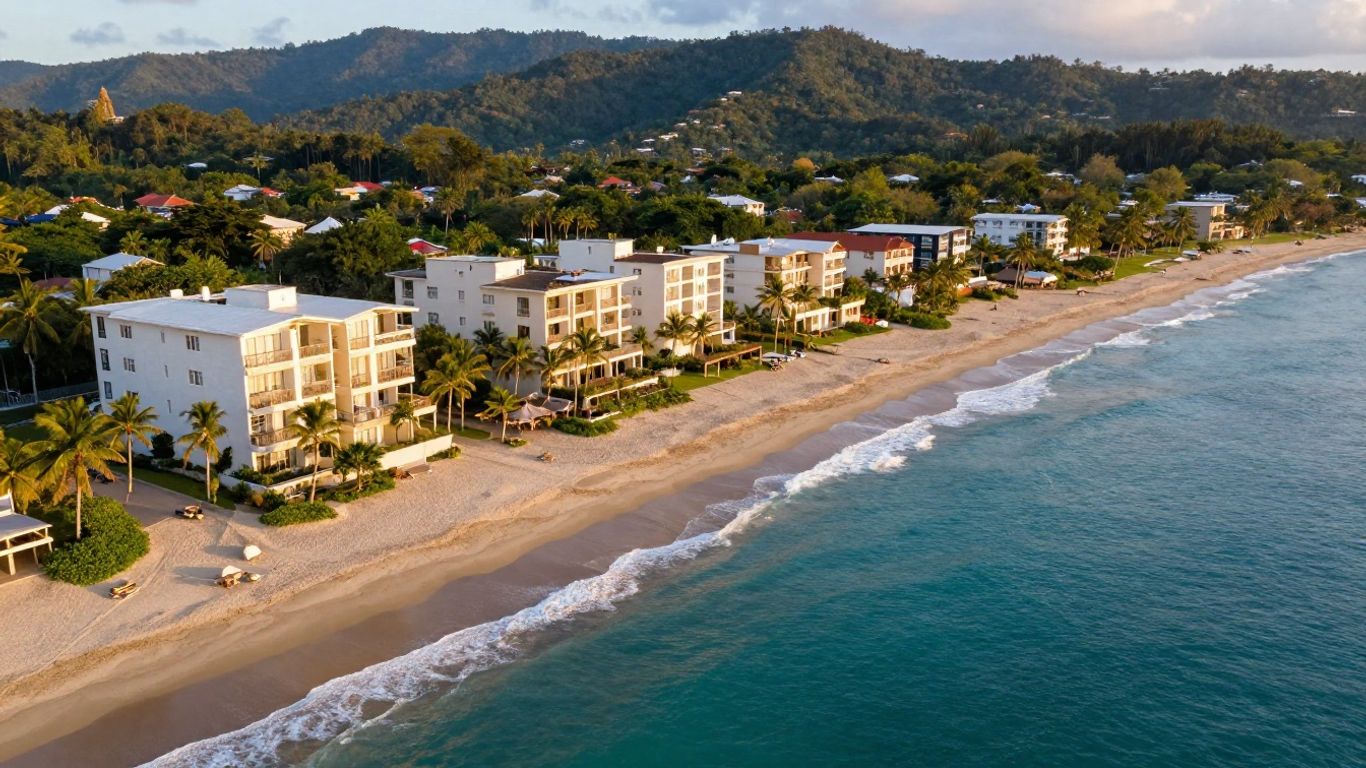
For an initial sense of the coastal market, buyers can review Arcadia at Brasilito Beach, where the published residence options include one-, two-, and three-bedroom layouts as well as penthouses, direct beach access, ocean and sunset views, and an optional rental program.
New developments versus resale condos
A new development may offer contemporary planning, fresh finishes, warranties, and the opportunity to choose a preferred floor plan. It can also involve construction timelines, changing specifications, and a need to examine the developer, permits, escrow arrangements, and completion obligations carefully. A resale condo allows buyers to inspect the finished building and its operating history, though renovations, deferred maintenance, or outdated systems may affect the true cost.
Key factors influencing pricing and demand
Price is influenced by more than square footage. Beach proximity, unobstructed views, privacy, amenities, walkability, airport access, building condition, and the strength of local demand all matter. The view is only one component of value: a beautiful outlook paired with difficult access, high upkeep, or weak property management may be less compelling than a slightly less dramatic home in a better-run community.
Choosing the right Costa Rican destination
The best destination depends on how you expect to spend an ordinary week, not only how a property feels during a holiday. Consider airport transfers, medical care, groceries, dining, schools if relevant, and whether you want a quiet coastal routine or a more connected urban base. Visit in different seasons when possible, and spend time outside the development itself.
Beachfront living in Guanacaste
Guanacaste is known for its dry tropical climate, broad Pacific beaches, and communities ranging from highly private enclaves to walkable coastal towns. Buyers should distinguish genuine beachfront access from a distant ocean view, and should investigate wind exposure, salt-air maintenance, future construction, and the route to everyday services. The Guanacaste luxury condo guide offers a useful framework for comparing beach access, resort amenities, HOA structure, and regional communities.
Resort communities on the Central Pacific coast
The Central Pacific appeals to buyers who want a lush setting, dramatic coastline, and proximity to outdoor activities. Resort communities may provide pools, fitness areas, restaurants, golf, or organized services, but the convenience comes with shared costs and operating rules. Review what is included in the HOA dues, which amenities are open year-round, and how seasonal demand affects the atmosphere.
Urban convenience in San José and the Central Valley
San José and nearby communities offer a different version of luxury: refined apartments, mountain views, restaurants, cultural activities, private healthcare, and easier access to professional services. High-rise living can be especially attractive for full-time residents who value security and low-maintenance routines. Buyers comparing city options can browse luxury condos in San José alongside coastal properties to clarify which setting better fits their daily needs.
Lifestyle differences between coastal and inland locations
Coastal ownership often centers on outdoor living, beach access, and a slower rhythm, while inland living may make commuting, healthcare, dining, and work more convenient. Neither is automatically the better choice. Ask how often you will use the property, how much driving you tolerate, and whether your ideal morning involves a walk to the shore or coffee near a busy urban neighborhood.
Evaluating condo features and amenities
Amenities should be judged by how consistently they improve life and how much they cost to operate. A long list of facilities is less meaningful than clean common areas, dependable security, well-maintained landscaping, and clear rules for their use. Examine both the private residence and the shared infrastructure, since the latter can strongly influence satisfaction and resale appeal.
Ocean views, private pools, and outdoor living spaces
A terrace that is genuinely usable may matter more than a larger interior room in a warm coastal climate. Check the direction of the view, seasonal glare, prevailing winds, privacy from neighboring buildings, and whether nearby land could be developed. Private pools and outdoor kitchens can be attractive, but they add cleaning, equipment, and replacement costs that should appear in the ownership budget.
Resort-style services and building facilities
Pools, fitness spaces, concierge-style assistance, beach access, dining, and landscaped gathering areas can make a condo feel effortless. Ask whether each amenity is included, separately charged, privately operated, or subject to seasonal closure. Service quality also depends on staffing, reserve funds, maintenance schedules, and the board or administrator responsible for decisions.
Smart-home systems, security, and energy efficiency
Smart locks, climate controls, backup systems, efficient appliances, and reliable internet can make a second home easier to manage. Security should be assessed as a complete system, including gates, lighting, cameras, staffing, and access procedures rather than a single advertised feature. In coastal areas, ventilation, shading, water management, and durable materials may contribute more to comfort than technology alone.
Furnishing packages and turnkey ownership
Turnkey options can simplify a remote purchase, particularly when the residence will be used as a vacation home or rental. Review the furniture specification, warranties, delivery schedule, replacement policy, and whether artwork, linens, appliances, and kitchen equipment are included. At Arcadia at Brasilito Beach, the published offering includes modern interiors and turnkey finishes; buyers should still confirm the precise package attached to the residence they are considering.
Budgeting for a luxury condo purchase
The purchase price is only the first line in the financial plan. Buyers should model acquisition costs, recurring dues, utilities, insurance, furnishing, repairs, management, and periods when the property is empty. A conservative budget leaves room for exchange-rate movement and the occasional expense that comes with owning a home in a tropical environment.
Typical purchase prices by location
Prices vary widely within every region, so broad averages can mislead. A beachfront penthouse, a city apartment, and a smaller unit in a resort community may sit in entirely different segments. Compare like with like, using location, interior and exterior space, views, parking, amenities, building age, and delivery status as part of the comparison.
| Property profile | Common price influence | Questions to ask |
|---|---|---|
| Beachfront residence | Direct access, views, scarcity | Is the beach access private, public, or shared? |
| Resort-community condo | Amenities, services, rental appeal | Which facilities are covered by the dues? |
| Central Valley apartment | Location, views, security, services | How close are healthcare and daily shopping? |
| Resale condo | Condition, upgrades, operating history | Are repairs or assessments pending? |
This comparison is more useful than a simple price-per-square-foot exercise. The right benchmark reflects the actual experience, the cost of maintaining it, and the strength of demand for that particular location.
Closing costs, taxes, and legal fees
Allow for legal review, registration, documentary charges, transfer expenses, escrow or banking costs, and any applicable professional fees. The exact total depends on the transaction structure and property, so obtain a written estimate before committing. Annual property taxes, insurance, and potential taxes connected with future rental or sale proceeds also belong in the long-term model.
Homeowners’ association dues and maintenance expenses
HOA dues may cover security, landscaping, common utilities, insurance for shared areas, reserves, and amenity operations. Read the budget and meeting records if available, then ask about special assessments, delinquency rates, reserve funding, and planned capital work. Coastal owners should also budget for air-conditioning service, corrosion control, waterproofing, pest management, and furniture replacement.
Currency exchange and financing considerations
Many international buyers think in U.S. dollars, but expenses may involve local currency and local banking arrangements. Exchange-rate changes can affect transfers, monthly costs, and eventual returns. Financing terms for nonresidents vary, so compare the total cost of borrowing with the option of using available funds, while keeping sufficient liquidity for taxes, dues, and repairs.
Navigating the buying process
A careful purchase is methodical without needing to be intimidating. The usual path includes selecting a property, making an offer, signing an agreement, completing due diligence, arranging funds, and closing through the appropriate legal process. Independent advice is especially valuable when the buyer is abroad or the property is still under development.
Working with licensed real estate and legal professionals
Choose professionals who explain the transaction clearly and disclose whom they represent. A real estate adviser can help compare inventory and negotiate terms, while an independent Costa Rican attorney should review ownership, contracts, and closing documents. Ask about experience with condominium purchases, foreign buyers, escrow, and the specific region rather than relying on a polished presentation alone.
Reviewing title, zoning, and property documentation
The legal review should confirm the registered owner, liens, easements, boundaries, permitted use, and the status of taxes and condominium registration. Coastal property deserves additional care because maritime-zone rules and concession arrangements can differ from fee-simple ownership. Do not assume that a listing description answers these questions; request documents and have them interpreted by counsel.
Understanding condominium bylaws and ownership rights
Bylaws can regulate pets, renovations, parking, noise, guests, rentals, signage, and use of common areas. They may also explain voting rights, assessments, insurance responsibilities, and procedures for resolving disputes. Read them before making an offer, especially if you expect to rent the property or alter its finishes.
Completing due diligence before making an offer
Before signing, inspect the unit and common areas, verify construction quality, review budgets and minutes, and ask about pending disputes or assessments. A practical due-diligence sequence includes:
- Confirming title, liens, taxes, and registered boundaries.
- Reviewing permits, plans, warranties, and completion status.
- Examining HOA budgets, reserves, bylaws, and meeting records.
- Testing utilities, access, drainage, appliances, and essential systems.
These checks do not eliminate every risk, but they turn a hopeful purchase into an informed one. Put important findings and remedies into the agreement rather than relying on verbal assurances.
Assessing investment and rental potential
A condo can serve as a home first and an income-producing asset second, or the priorities can be reversed. Either way, rental projections should use realistic nightly rates, occupancy, expenses, management fees, taxes, repairs, and owner use. A strong location helps, but no property produces a fixed return simply because it is near the beach.
Short-term vacation rentals versus long-term leasing
Short-term rentals may capture seasonal tourism demand but require furnishing, marketing, guest communication, cleaning, maintenance, and compliance with community rules. Long-term leasing can provide steadier occupancy and fewer turnovers, though the rent may be lower and the tenant pool may differ. Compare both models against your desired access to the home and tolerance for operational involvement.
Factors that influence occupancy and rental income
Walkability, beach access, views, bedrooms, privacy, internet, pools, parking, and nearby dining all affect a guest’s choice. Seasonality is equally significant, with high, shoulder, and low periods producing different rates and occupancy. The published Costa Rica condo rental analysis can help buyers think through nightly rates, gross revenue, operating expenses, and net yield without treating any projection as a guarantee.
Property management and guest-service requirements
Remote ownership generally works best with dependable local support. Managers may coordinate reservations, check-in, cleaning, repairs, inspections, and emergency response, while owners should understand the fee structure and reporting process. At Arcadia at Brasilito Beach, the published offering includes an optional rental program; confirm its terms, inclusions, fees, and owner-use policies before using it in a financial model.
Tax considerations for rental property owners
Rental income, business registration, withholding, sales-related obligations, and deductions can depend on the ownership structure and the nature of the activity. Rules can change, and the tax position of a nonresident may differ from that of a resident or company. Have a Costa Rican tax professional review the intended rental model before launch, and keep complete records of income and expenses.
Comparing lifestyle, risks, and long-term value
A luxury condo should work on ordinary days as well as during peak season. Think about how the setting affects your health, routines, social life, maintenance burden, and ability to reach the airport. Long-term value is strongest when the property remains desirable to you and to a broad group of future buyers.
Access to airports, healthcare, dining, and recreation
Travel time can shape whether a second home is used often or sits empty. Check the practical route to the nearest airport, hospital, pharmacy, supermarket, restaurants, beaches, trails, and schools if needed. A walkable community can reduce dependence on a car, but verify what is genuinely walkable in the heat, rain, and low season.
Climate, construction quality, and weather exposure
Tropical conditions reward careful construction and regular maintenance. Inspect roofs, drainage, windows, seals, air-conditioning, plumbing, electrical systems, and exterior finishes. Ask how the building handles heavy rain, strong sun, humidity, wind, and salt air, and whether maintenance records support the answers.
Resale considerations in competitive locations
Resale demand depends on more than the original purchase story. Flexible layouts, strong management, sensible dues, attractive common areas, reliable access, and clear documentation can help a property compete later. Scarcity may support interest, but it does not replace condition, pricing discipline, or a realistic understanding of the buyer pool.
Matching the property to personal goals and exit plans
Write down whether the condo is primarily for full-time living, family use, occasional escapes, rental income, or a combination. Then define what would make you sell, how much management you are willing to handle, and what return or lifestyle benefit would justify the purchase. That clarity helps you choose between an urban apartment, resort residence, and beachfront home without forcing one property to satisfy incompatible goals.
Conclusion
The strongest luxury condo purchase in Costa Rica brings together a location you will genuinely enjoy, amenities that support daily life, documented ownership, manageable costs, and an investment plan grounded in evidence. Take time to compare regions, inspect the details, and use independent professionals so the final decision feels as serene and considered as the lifestyle you hope to create.
Frequently Asked Questions
Are foreigners allowed to buy condos in Costa Rica?
Foreigners can generally purchase property, subject to the legal structure and specific rules affecting the location. An independent attorney should verify title, ownership form, and any maritime-zone considerations.
What is the difference between oceanfront and ocean-view property?
Oceanfront property has direct shoreline access or frontage, while ocean-view property may be set back or separated from the water. Confirm the view, access rights, boundaries, and potential future obstructions.
Are luxury condos good rental investments?
They can be, particularly in locations with tourism, access, amenities, and professional management. Returns vary with price, occupancy, seasonality, expenses, taxes, and owner use, so projections should be conservative.
How much should buyers budget for closing costs?
The amount varies by transaction and property, but buyers should budget for legal, registration, transfer, escrow, and professional charges in addition to the purchase price. Obtain a written estimate early.
What do HOA fees usually cover?
They may cover shared-area maintenance, landscaping, security, insurance, utilities, reserves, and amenities. The exact coverage is set by the condominium’s budget and governing documents.
Should I choose a new development or a resale condo?
A new development may offer modern design and warranties, while a resale allows inspection of an operating building and its history. Review permits, finances, condition, and completion risks in either case.
What should I inspect before buying?
Review title, zoning, permits, bylaws, HOA finances, insurance, utilities, construction quality, maintenance records, rental rules, and any pending disputes or assessments with qualified professionals.
Updated August 17, 2026